Crescendo把客服外包改成按解决付费
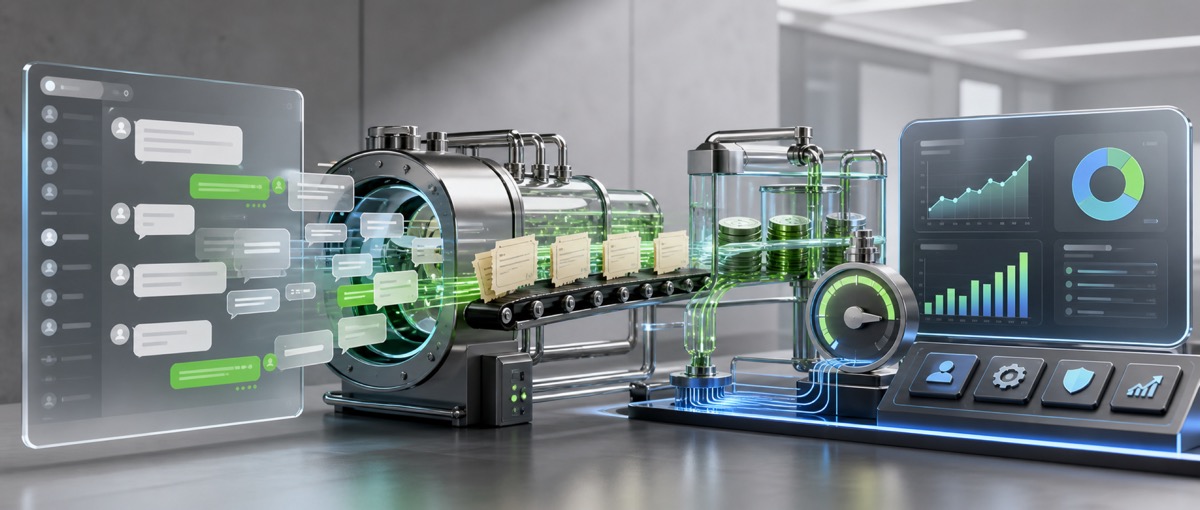
Crescendo 把 AI 客服、人工升级、质检和外包交付合在一起,用按解决事项收费的方式把客服自动化从软件席位卖成可承担结果的运营层。

Crescendo 把 AI 客服、人工升级、质检和外包交付合在一起,用按解决事项收费的方式把客服自动化从软件席位卖成可承担结果的运营层。

Sturdy 把 CRM、邮件、工单、聊天和通话里的客户原话归并到账户,保留可追溯证据,让续约和客户成功团队在流失前处理真正的阻塞点。

Remark 把真人产品专家的追问、比较和购买判断训练进电商网站对话,把原本只在门店发生的导购经验变成可部署、可计费的转化层。

Govly 把政府采购里的预算、合同载体、历史中标、买方资料、合作伙伴和团队动作整理成 AI 销售雷达,让供应商在招标公告前判断哪单值得追。

Praktika 把 AI 口语陪练做成 iPhone 上会记住用户目标、错误和下一次话题的订阅关系,让语言学习从课程消费变成高频开口行为。

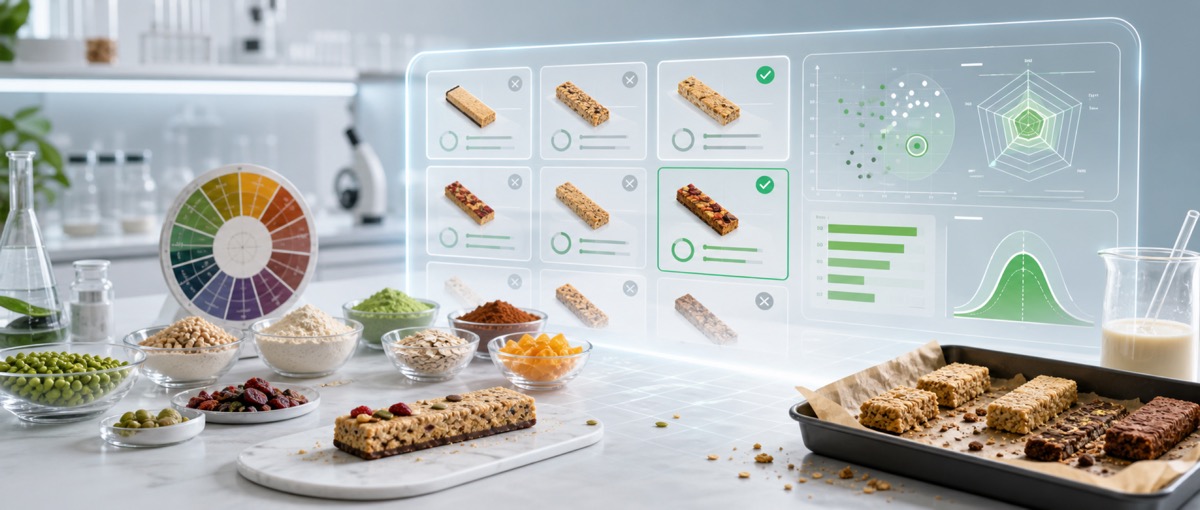
Proxy Foods 把食品饮料公司的配方、原料、工艺、营养、法规和实验数据组织成 AI 研发工作台,让 R&D 团队在进实验室前少走几轮低概率试错。

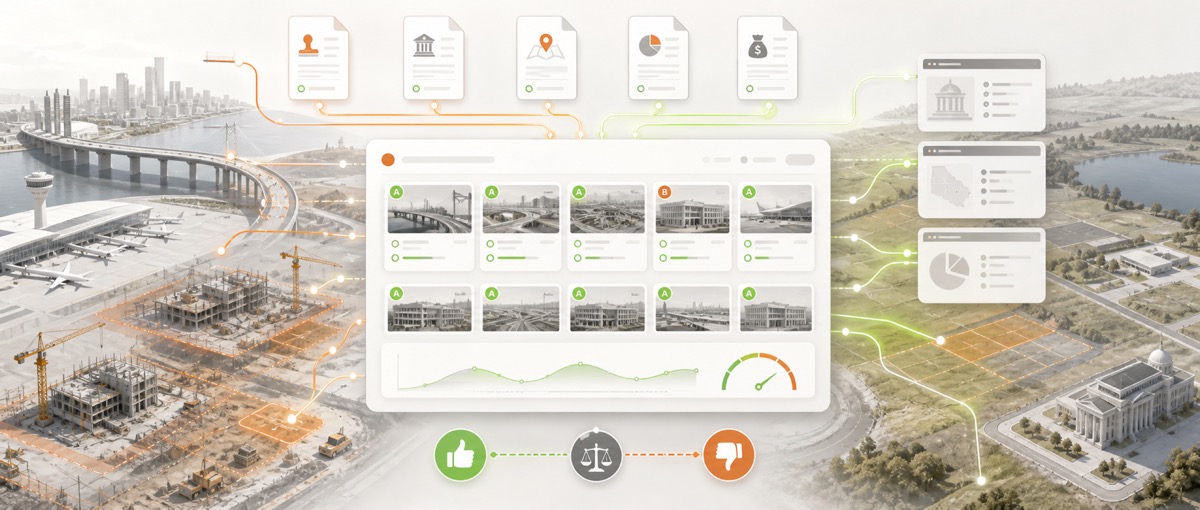
Cascade shows how vertical AI can commercialize in AEC by turning scattered government portals, budgets, permits, land records, meeting minutes, fit scoring, and proposal workflows into a revenue-facing pursuit system.

Rime shows how voice AI infrastructure can commercialize by packaging real-time voice quality, pronunciation control, latency, concurrency, deployment options, and compliance into a metered enterprise API layer.

August shows how legal AI can commercialize by turning self-serve trials, visible pricing, training content, Microsoft workflow context, and live fact-checking into a lower-friction adoption path for law firms.

EdVisorly shows how higher-education AI can commercialize by turning transcripts, GPA recalculation, transfer-credit rules, student path visibility, and admissions workflows into institution-grade data infrastructure.

Promptwatch shows how AI search optimization can commercialize by connecting prompts, answers, citations, crawler logs, content gaps, agentic recommendations, CMS publishing, and AI-referred traffic into one execution loop.

Malachyte shows how commerce AI can sell measurable revenue lift by turning clicks, searches, hovers, scrolls, carts, and product catalogs into real-time intent vectors for ranking and recommendations.

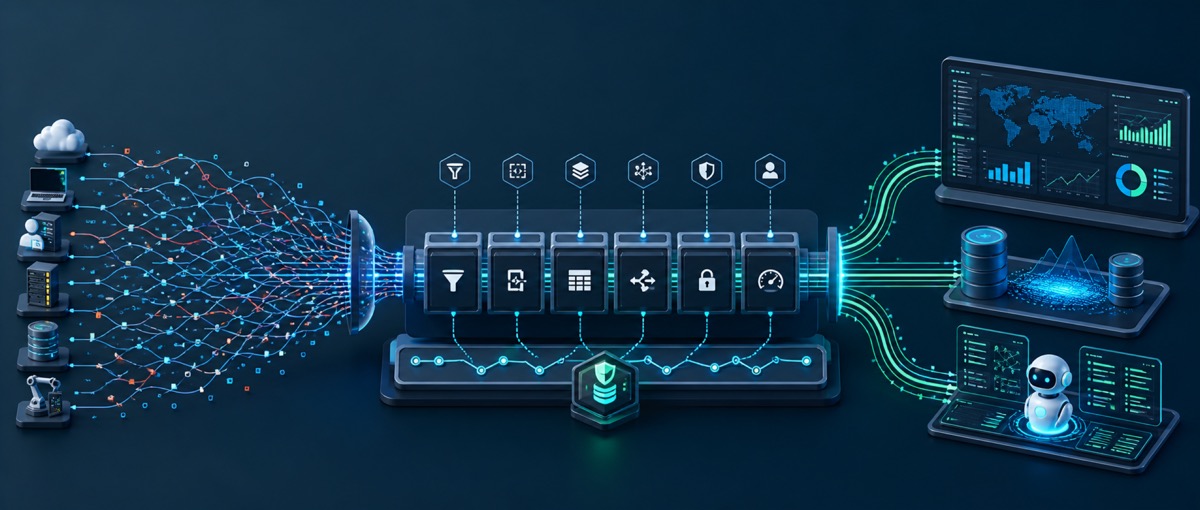
DataBahn shows how security AI infrastructure can commercialize before alert analysis by turning telemetry ingestion, parsing, normalization, enrichment, governance, routing, and on-demand retrieval into an agentic data control plane.

Freshflow shows how grocery AI can commercialize by turning produce ordering, waste control, shelf availability, weather signals, promotions, and frontline employee judgment into measurable replenishment decisions.

Naïve shows how AI-agent infrastructure can commercialize after vibe coding by turning company formation, identity, payments, communication, cloud resources, budgets, policies, logs, and real-world actions into a governed runtime.

Pace shows how vertical insurance AI can commercialize before underwriting by automating submissions, renewals, servicing, claims intake, email, documents, calls, and legacy system write-backs.

Monk shows how finance AI can sell against cash flow by connecting invoices, collections, customer portals, payment matching, disputes, and forecasting into an accounts-receivable execution layer.

Nobi shows how care AI can commercialize by hiding fall detection, alerts, night lighting, privacy-preserving processing, and care analytics inside a familiar room object that nursing homes can deploy, evaluate, and explain.

DOSS shows how vertical AI can commercialize between accounting systems and physical operations by making inventory, orders, procurement, production, warehouses, and ledger mappings reliable enough for finance agents.

Wint shows how physical-world AI can sell loss prevention by connecting water-flow sensing, anomaly detection, alerts, autonomous shutoff, facilities operations, and insurance-backed trust.

Arcads shows how an AI video advertising product can turn manual delivery, painful refund discipline, actor libraries, scripting, translation, remixing, and subscription checkout into a repeatable creative testing business.

Cresta shows how contact-center AI can reuse real conversation data to create simulated customers, safe practice loops, coaching plans, and measurable training workflows before new agents face real customers.

Quadric shows how edge AI infrastructure can commercialize before hardware production by selling programmable processor IP, compilers, SDKs, and model optionality to long-cycle chip projects.

Tasklet shows how a workflow feature can become an independent agent business when it runs after users leave the inbox, connects systems, consumes usage credits, and completes recurring work.

Alta shows how crowded sales AI can commercialize by connecting CRM, marketing automation, data sources, outbound execution, inbound qualification, and feedback loops into a system of actions for revenue teams.

BranchLab shows how regulated healthcare AI can commercialize after drug approval by turning patient prediction, HCP audiences, compliant activation, and real-world outcome measurement into one pharma growth control layer.

ClearOps shows how industrial AI can commercialize in aftersales by connecting OEMs, dealers, spare-parts inventory, machine data, service planning, and demand forecasting around less downtime and higher parts availability.

Gritt shows how Physical AI can commercialize first in field execution by turning solar-panel lifting, placement, verification, equipment integration, and schedule certainty into measurable construction throughput.

Niural shows how vertical AI can commercialize inside payroll, benefits, payments, compliance, and global employment by earning execution rights in systems where mistakes immediately create liability.

Phia shows how consumer shopping agents can commercialize near the transaction by compressing price checks, alternatives, coupons, rewards, and attribution, while making trust and auditability part of the product.

Rebar shows how construction AI can commercialize in a narrow transaction window by turning HVAC drawings, specs, takeoffs, change summaries, collaboration, and quote preparation into measurable quoting throughput.

Adaptive Innovations shows how medical AI can commercialize by becoming an AI-native home health provider, compressing referral intake, scheduling, clinical documentation, compliance, and revenue-cycle work inside the service cost structure.

Freight Hero shows how vertical AI can sell operational responsibility by combining agents and freight experts to manage load tracking, ETA updates, exception escalation, communications, and proof-of-delivery collection.

Gushwork shows how AI search can become an SMB growth product by packaging research, content, publishing, authority building, lead capture, and follow-up around qualified pipeline instead of visibility metrics.

Crosby shows how legal AI can commercialize by becoming a productized law firm: AI compresses intake, precedent search, redlining, negotiation guidance, and customer memory while licensed lawyers keep responsibility in the delivered result.

Hadrius shows how RegTech AI can commercialize by turning fragmented communications, marketing reviews, employee oversight, account surveillance, testing plans, and policy records into regulator-ready evidence with human governance.

KredosAI shows how vertical AI can commercialize in delinquent payment workflows by learning which message, channel, timing, and call to action recovers cash before accounts move into write-off or traditional collections.

Weave shows how AI coding commercialization can move beyond the editor by measuring PR complexity, review load, AI participation, quality, cost, and model routing so engineering leaders can explain ROI.

Fluxco shows how AI infrastructure commercialization can begin in physical procurement by turning transformer specifications, supplier matching, bidding, financing, manufacturing milestones, and delivery risk into an executable transaction system.

Respond.io shows how conversation AI can sell revenue capacity by unifying WhatsApp, Instagram, TikTok, voice calls, CRM context, routing, human handoff, and monthly active contact pricing around customer intent.

Trase shows how regulated AI agents can commercialize by packaging permissions, approvals, audit trails, data residency, ready-made workflows, and measurable operating results into an agentic operating system.

Applied Computing shows how industrial AI can sell trust rather than model novelty by combining sensor data, engineering documents, physical constraints, operator explanations, quantified outcomes, and KBR's channel credibility.

Glimpse shows how AI agents can recover hidden CPG revenue by connecting retail portals, invoices, logistics evidence, dispute workflows, ERP sync, human review, and outcome-based buying around deductions.

Hilbert shows how enterprise AI can move from answering analytics questions to owning a growth decision loop that detects anomalies, explains causes, recommends actions, triggers execution, and prices against business scale.

Runpod shows how AI infrastructure can commercialize by turning scarce GPU hardware into developer-friendly Pods, serverless endpoints, transparent pricing, community-led distribution, and supply partnerships that scale with demand.

Slang AI shows how vertical voice agents can sell revenue capture by answering restaurant calls, integrating reservation systems, handling SMS confirmations, escalating exceptions, and pricing around each location.

Outward Intelligence shows how AI-native services can sell professional delivery, not just automation, by turning survey design, sample quality, quota control, analytics, and expert interpretation into a research operating system.

Passionfroot shows how creator-led GTM can become an AI operating system by connecting creator discovery, campaign strategy, outreach, payments, attribution, and transaction fees around trusted B2B distribution.

Pocket shows how AI note-taking can commercialize beyond online meetings by using a magnetic hardware wedge, free transcription, subscriptions, and enterprise workflows to capture offline conversation context.

Assured shows how healthcare AI can commercialize before clinical work begins by turning provider credentialing, licensing, payer enrollment, primary-source verification, monitoring, and audit evidence into a revenue-readiness workflow.

Prime Intellect shows how enterprise AI infrastructure can move beyond cheap compute by connecting GPU capacity, RL environments, evaluation, training, inference, traces, and model-improvement loops into an owned AI lab.

Uniti AI shows how real-estate AI can expand inside existing operators by responding to leads, booking tours, escalating edge cases, writing back to PMS and CRM systems, and pricing with property and lead volume.

Omen AI shows how AI infrastructure creates new software opportunities below the model layer by turning coolant chemistry, sensor data, failure signals, data-center capacity, and megawatt-based subscriptions into risk control.

Orbio shows how vertical AI agents can commercialize by turning frontline hiring, onboarding, employee check-ins, retention signals, and cross-channel communication into a measurable workforce operating pipeline.

Poke shows how consumer AI assistants can win distribution by living inside message threads, then pricing around automation intensity, model access, integrations, real-time monitoring, and human fallback.

Venice AI shows how privacy can become a paid AI entry point by packaging anonymous routing, private usage modes, multi-model access, creative generation, developer APIs, subscriptions, and usage-based credits.

Momentic shows why faster AI coding creates demand for a verification layer that combines natural-language tests, browser and mobile execution, auto-healing, PR gates, diagnostics, security, and enterprise rollout.

Scribe shows how AI infrastructure can start as lightweight documentation, then turn captured user workflows, process maps, ROI signals, governance, and agent context into a broader automation intelligence layer.

Emergent shows how AI coding can commercialize beyond developers by packaging requirements, front end, back end, databases, testing, deployment, debugging, and iteration into purchasable engineering capacity for nontechnical operators.

Hostie shows how vertical voice AI can commercialize by turning restaurant calls, texts, emails, reservations, takeout, private-event inquiries, routing, and guest data into a per-location revenue workflow.

Chatbase shows how an AI support agent becomes a business when training, actions, channels, integrations, usage tiers, fraud controls, billing, analytics, and enterprise trust are packaged into one revenue system.

ConverzAI shows how recruiting AI can sell outcomes by turning candidate sourcing, voice and text engagement, screening, follow-up, ATS updates, dashboards, and placement-based pricing into a virtual recruiter workflow.

LightTable shows how construction AI can commercialize before work starts by converting drawings, specs, checklists, expert review, risk ranking, ownership, and value engineering into a preconstruction loss-prevention system.

Probook shows how vertical AI can become an operating system by making dispatch the central object for home-services calls, leads, job context, technician matching, customer messaging, and EBITDA-level operating leverage.

Prosper AI shows why healthcare voice agents can commercialize by turning clinic and payor calls into scheduling, benefit checks, prior authorization, claims status, billing, intake, QA, and revenue-cycle execution.

Sequen shows how AI infrastructure can sell close to revenue by turning in-session events, ranking APIs, business objectives, low-latency personalization, experimentation, and throughput pricing into an optimization layer.

Mega shows how AI can commercialize inside old SMB marketing budgets by turning SEO, paid ads, website optimization, dashboards, and human fallback into service software that feels more like a growth team than a tool.

pWin.ai shows how vertical AI can commercialize in GovCon by turning capture strategy, proposal libraries, compliance matrices, Shipley review discipline, security posture, and human review into an enterprise proposal operating system.

Gradial shows how enterprise marketing AI can commercialize by turning briefs, CMS work, assets, brand rules, QA, approvals, and publishing into an agentic execution layer measured by campaign throughput.

Raindrop shows how AI-agent infrastructure can turn silent failures, traces, semantic signals, triage, search, alerts, and repair experiments into a production observability business priced by event volume.

Rilla shows how AI can commercialize in offline sales by converting field conversations into recordings, summaries, scores, coaching loops, and management evidence tied to close rate and ticket size.

Corgi shows how vertical AI can move beyond advice by underwriting and issuing startup insurance directly, turning a slow compliance-driven purchase into a faster risk-pricing and transaction workflow.

Sublime Security shows how AI can reopen an old email-security market by turning threat analysis, user-reported mail triage, detection-rule generation, backtesting, approval, and evidence into an adaptive enterprise workflow.

Agentio shows how creator advertising can become a scalable media channel when AI structures creator supply, campaign workflows, contracts, approvals, performance data, and repeat buying into one operating layer.

Avoca shows how AI front-office products can commercialize by turning missed calls, ad leads, booking, dispatch, CRM sync, quality scoring, and follow-up into measurable revenue capture for local service businesses.

Toma shows how vertical AI can start inside automotive service departments by converting phone calls, texts, scheduling, CRM and DMS updates, and human handoffs into booked service revenue.

Duvo shows how retail operations AI can commercialize by mapping messy real workflows first, then running approved agents across ERP, supplier portals, email, spreadsheets, audits, and completed work units.

Harper shows how an AI-native professional service can capture more value than a software assistant by operating a commercial insurance brokerage with automation, licensed humans, market access, and compliance controls.

Hungryroot shows how consumer AI can avoid chat-first packaging by turning weekly food preferences, recipes, budget, subscriptions, inventory, and fulfillment into a default shopping cart that users can buy.

Limy shows why AI-search tooling can move beyond mention tracking by connecting AI bot visits, prompts, crawled pages, conversions, dashboards, and marketing-budget decisions into a revenue attribution layer.

Tennr shows how vertical healthcare AI can commercialize by turning faxes, missing documents, payer rules, prior authorization, referral status, and patient queues into measurable revenue-cycle workflow outcomes.

FurtherAI shows how vertical insurance AI can commercialize before the underwriting decision by turning emails, PDFs, ACORD forms, SOV spreadsheets, loss runs, rules, and system writeback into an auditable execution workflow.

Fyxer shows why an AI assistant can start with the inbox: it embeds inside Gmail and Outlook to classify messages, draft replies, summarize meetings, schedule follow-up, and price against missed customer opportunities.

Zocks shows how advisor-focused AI can move from meeting notes into financial-services workflows by converting client conversations into CRM fields, forms, follow-up emails, tasks, and searchable client intelligence.

Charta Health shows why healthcare AI can start with revenue integrity: it turns chart review, missed coding, payer compliance, quality measures, and provider feedback into a measurable operating system.

Nas.com shows how AI commerce products can sell more than page generation by connecting a low-friction product photo input to offers, storefronts, ads, checkout, payments, memberships, and customer operations.

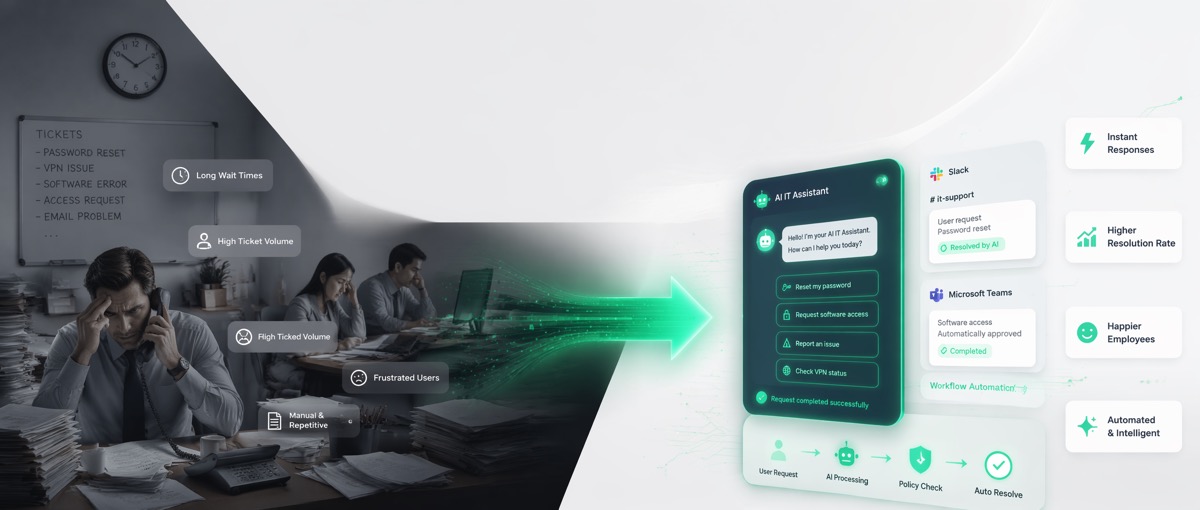
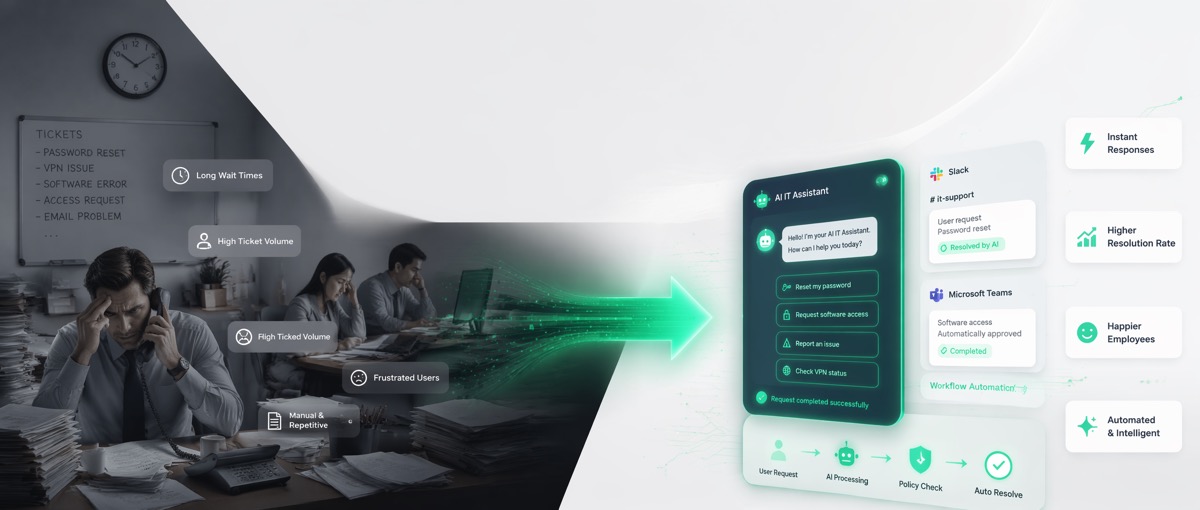
Serval shows how enterprise AI agents can commercialize inside IT service management by completing help-desk, onboarding, offboarding, access, approval, audit, and workflow tasks instead of merely answering questions.

Blue J shows how vertical AI can commercialize in high-responsibility professional work by turning tax research into a verifiable answer layer with authoritative sources, citations, drafting, governance, and team workflows.

Creatify shows how AI advertising software can commercialize by turning product URLs, scripts, avatars, batch variants, ad intelligence, and launch workflows into a variable factory for growth teams.

Letter AI shows how sales AI can move beyond writing assistance by packaging content, training, RFPs, buyer rooms, and company-approved answers into an enterprise revenue enablement control layer.

Gradient Labs shows how vertical AI agents can commercialize by turning financial customer operations, lending, disputes, KYC/KYB, collections, guardrails, audit trails, and outcome pricing into a purchasable execution layer.

Turbo AI shows how a consumer AI study product can grow by turning messy learning materials into editable notes, flashcards, quizzes, podcasts, collaboration, and a repeatable review loop students want to revisit.

Arcade.dev shows how AI agent infrastructure can commercialize by turning authorization, tool execution, policy enforcement, audit logs, and MCP runtime hosting into a measurable enterprise action layer.

HappyRobot shows how vertical AI agents can become a business by executing repetitive logistics operations across calls, emails, documents, exceptions, integrations, governance, and human escalation.

OpenRouter shows why the explosion of LLM suppliers creates a business for routing, unified billing, fallback, observability, budget controls, data policies, and enterprise procurement around inference.

Cekura shows how voice AI infrastructure can commercialize by turning messy agent failures into pre-launch simulation, regression testing, production observability, compliance checks, and buyer confidence.

FLORA shows how AI creative products can commercialize beyond model access by turning fragmented generation into a team canvas for brand control, collaboration, asset reuse, usage governance, and enterprise workflows.

Reducto shows how document AI can commercialize upstream of agents and RAG by turning messy PDFs, scans, tables, and long documents into reliable data APIs, evaluation workflows, and enterprise controls.

XBOW shows how autonomous security AI can commercialize by turning expert pentesting into a purchasable, audit-ready evidence package with exploit proof, repeat testing, and enterprise controls.

GoodShip shows how vertical AI can commercialize inside freight procurement by connecting transportation data, carrier performance, market benchmarks, RFP decisions, and measurable spend outcomes.

Pylon shows why B2B support AI needs more than a chatbot: it turns Slack, Teams, email, tickets, knowledge, account history, and AI agents into one customer context layer.

Rocketlane shows how AI agents can sell inside professional services delivery by improving migration, configuration, resource planning, budget control, documentation, and customer risk workflows.

Trupeer shows how a low-friction screen recording input can become videos, step-by-step guides, translations, branded pages, AI search, and a reusable workflow knowledge system.

Levelpath shows how enterprise AI agents can commercialize inside procurement by connecting RFPs, contracts, supplier risk, approvals, spend governance, and auditability into one operating workflow.

Rogo shows how a vertical financial AI product can sell institutional leverage by combining trusted data sources, private documents, governance controls, and recognizable investment-banking deliverables.

Trunk Tools shows why construction is a strong vertical AI market: drawings, RFIs, submittals, bid packages, and revision reviews are document-heavy workflows where mistakes have clear costs.

Coram AI shows how a vertical AI company can commercialize inside an old budget by turning cameras, video management, search, event detection, and investigation workflows into a physical-security operating layer.

Higgsfield shows how AI video becomes a business when generation is packaged as a repeatable creative production system for ads, shorts, sales demos, training content, team collaboration, and enterprise controls.

OpenEvidence shows how a vertical AI product can avoid charging the end user directly by making physicians the free high-value entry point and monetizing the professional medical distribution layer around them.

Profound shows how AI search turns brand visibility into a new marketing workflow by combining answer-engine monitoring, prompt demand, content agents, attribution, and enterprise reporting.

ElevenLabs shows how a spectacular voice AI demo can become a durable business by layering text-to-speech, voice cloning, dubbing, sound effects, subscriptions, API usage, and developer adoption.

Gamma shows why AI presentations have strong product-led growth: they solve a painful workplace job, keep users in control of the output, and turn every shared deck into a distribution surface.

Granola shows how product philosophy can matter more than feature breadth in a crowded AI meeting market by avoiding meeting bots and becoming a local, private, habit-forming AI notebook.

Tavus shows how a narrow B2B workflow can commercialize AI video better than a general tool by turning one recorded template into personalized sales videos, CRM distribution, and measurable conversion data.

Wispr Flow shows how a neglected old interface problem can become a modern AI product when local inference, system-level integration, low latency, and a sharp first-use experience line up.

AiPPT shows how a Chinese AI presentation product can turn templates, agent research, digital-human video export, freemium pricing, and SEO-led global expansion into a 30-million-user growth engine.

Recapo.ai shows how an AI video-editing product can win in a crowded market by compressing the full long-video-to-narrated-short workflow, using free tools for SEO acquisition, and pricing compute through credits.

Captions shows how an AI video editor can differentiate in a crowded market by packaging professional editing taste into style presets, avatars, proprietary video models, and a creator-friendly pricing funnel.

Dot turns SQL queries, BI dashboards, context management, and recurring reports into a conversational AI data analyst, then sells the workflow through PLG pricing, customer ROI studies, and benchmark proof.

EliseAI is a vertical AI case study: by embedding phone, SMS, and email automation into property-management workflows first, then reusing the same conversation engine in healthcare, it scaled to reported $200M ARR.

Presentations.AI shows how a decade-old presentation startup used AI to remove the blank-slide problem, package brand controls and enterprise readiness, and grow in the crowded AI slide-tool market.

Skyvern replaces fragile DOM-based browser scripts with visual AI agents, then turns open source adoption, AGPL licensing, cloud anti-detection infrastructure, and usage-based plans into a commercial browser automation platform.

Slang.ai is a vertical voice AI case study: by answering restaurant calls, integrating with reservation systems, and pricing against clear missed-revenue ROI, it turns a narrow front-desk workflow into scalable SaaS.

Elicit shows how a vertical research AI product can compress literature review workflows, earn trust through PRISMA-style compliance, and move from researcher tool to pharmaceutical R&D infrastructure.

Fireflies shows how an older meeting transcription product can use AI summaries, voice agents, a skills marketplace, credits, integrations, and compliance to become a broader meeting intelligence platform.

Lido is a focused vertical AI case study: by extracting structured data from PDFs into spreadsheets, it turns a dull finance workflow into a high-ROI SaaS product with page-based pricing and enterprise expansion.

Cal.ai is a focused voice-agent case study: instead of selling generic AI phone infrastructure, it embeds calling into Cal.com's scheduling workflow, prices usage by the minute, and uses calendar integration as the moat.

Sybill shows how a sales AI product can move beyond call recording by capturing sales interactions, building a context graph, and turning top-rep playbooks into repeatable execution for the whole revenue team.

Descript shows how an older creation tool can be reborn by changing the core interaction model: users edit video and audio through text, then add AI tools, agent workflows, and enterprise packaging around that new paradigm.

Patronus AI is building simulated digital environments for testing AI agents before they act in production, turning agent reliability, evaluation, and reinforcement learning into a new infrastructure layer.

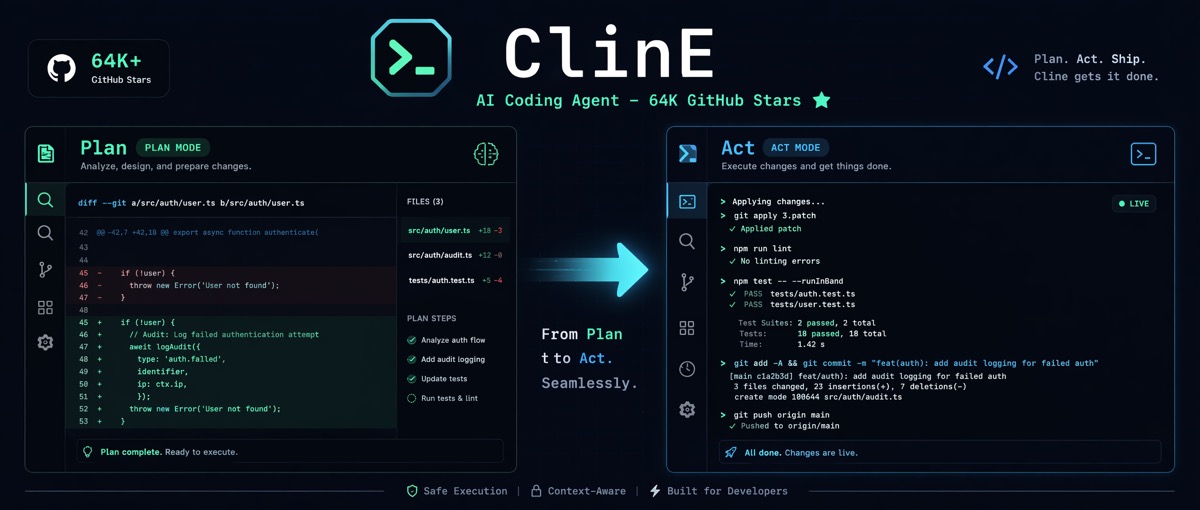
Cline shows how an open-source coding agent can define a new product category by moving from code suggestions to supervised execution across files, terminals, IDEs, SDKs, and multi-agent workflows.

Nooks shows how an AI-native agent workspace can compress fragmented B2B sales workflows into one system for research, sequencing, dialing, coaching, signals, and follow-up.

Legora shows how vertical AI can move beyond point features and become an operating system for a conservative, high-value professional workflow.

Ollama shows how an open-source developer tool can build trust first, become infrastructure, and then monetize through cloud and enterprise layers without breaking its free core.

StoreClaw's Product Hunt win reflects a broader shift in AI products: sellers do not need more advice, they need agents that execute. This case breaks down the product philosophy, credit-based monetization, and measurable customer outcomes behind that shift.

Vanta shows why the most overlooked enterprise workflows can become large AI businesses. By turning compliance into a continuously running AI-assisted system, it has built a high-ARR platform in a market most founders would call boring.

Glean shows how a startup can survive in enterprise AI against Microsoft and OpenAI by competing on company-specific context, permission-aware data infrastructure, and a gradual path from search to assistants to agents.

Krisp shows that an AI product moat does not have to live inside a foundation model. Its path from noise cancellation to meetings, call centers, and developer SDKs is a case study in building around real-time signal processing.

Kagi Search is a counterexample in a market dominated by free, ad-supported search. Its paid, private, customizable model shows how trust and product quality can become a business model in an AI-shaped internet.

Fathom shows how a genuinely free core product can become a commercialization engine. Its meeting assistant strategy turns unlimited recording, transcription, and summaries into acquisition, data accumulation, and paid team expansion.

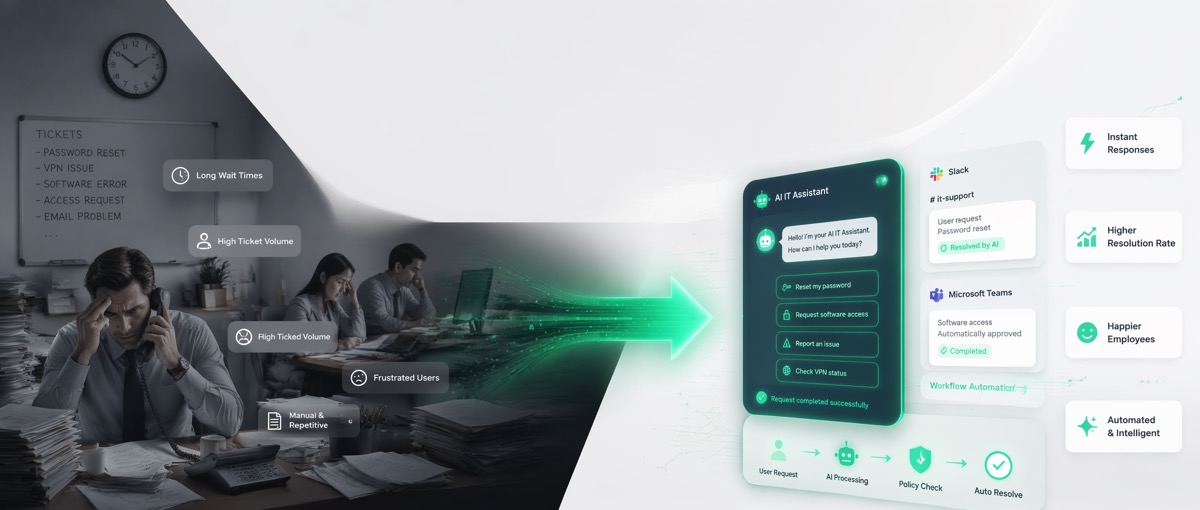
Console shows how an AI-native IT service desk can win high-growth customers by adding an intelligent layer inside Slack and Teams instead of replacing ServiceNow or Zendesk.

Aisera shows how an enterprise AI company can use domain expertise, system integrations, financing strategy, and ROI storytelling to build a durable position in ITSM and HR service automation.

Resolve AI shows how AI agents can reshape enterprise IT operations by moving from alerting and dashboards to diagnosis, remediation, and production workflow ownership.

Harvey shows how vertical AI can compound inside a regulated professional market by compressing legal workflows, selling through trust and compliance, and turning benchmark customers into a growth flywheel.

Overjet shows how vertical healthcare AI can become a large business by starting with FDA-cleared dental imaging, expanding into insurance verification, and building a two-sided workflow across providers and payers.

Wispr Flow, PhysicsX, and Suno show how vertical AI products can command large valuations by compressing time, rewriting user experience, and going deep in specific workflows rather than chasing generic assistant use cases.

Tango is a case study in turning documentation from a separate task into a byproduct of normal work. Its Chrome-extension workflow captures actions, screenshots, and annotations automatically, creating a low-friction path from individual utility to team and enterprise knowledge management.

Recall.ai is not another AI meeting note taker. It sells the infrastructure that lets other meeting products connect to Zoom, Google Meet, and Microsoft Teams, showing why the API layer can be a steadier business than the application layer.

Talkie.ai shows why vertical AI products can build stronger moats than generic assistants. By focusing on clinic phone workflows and deep EHR integration, it turns AI voice into a ready-to-use medical front desk.

Kittl shows how an AI design product can grow under the shadow of Canva and Adobe by owning a vertical workflow. Its wedge is print-on-demand commerce, where generation, vector editing, mockups, commercial licensing, and export all belong in one tool.

Knowt shows how AI can create a second growth curve in a mature education category. By compressing the study workflow from notes and flashcards into AI-generated practice, it turned free distribution and exam-season demand into a powerful growth loop.

Manus is one of the most dramatic examples of Chinese AI product globalization: a general AI agent that grew from a beta waitlist to reported $127M ARR, attracted global investors, and became the subject of a blocked Meta acquisition.

Copilotly packages professional advice into 131 vertical AI copilots across law, health, finance, tax, careers, and more. Its strategy shows how AI products can use vertical expertise, ROI anchoring, and free tools to compete against general chatbots.

Loop AI is a restaurant-operations case study in turning fragmented delivery data into an AI agent that recommends action. Its wedge shows how AI can find a clear ROI loop inside low-margin industries.

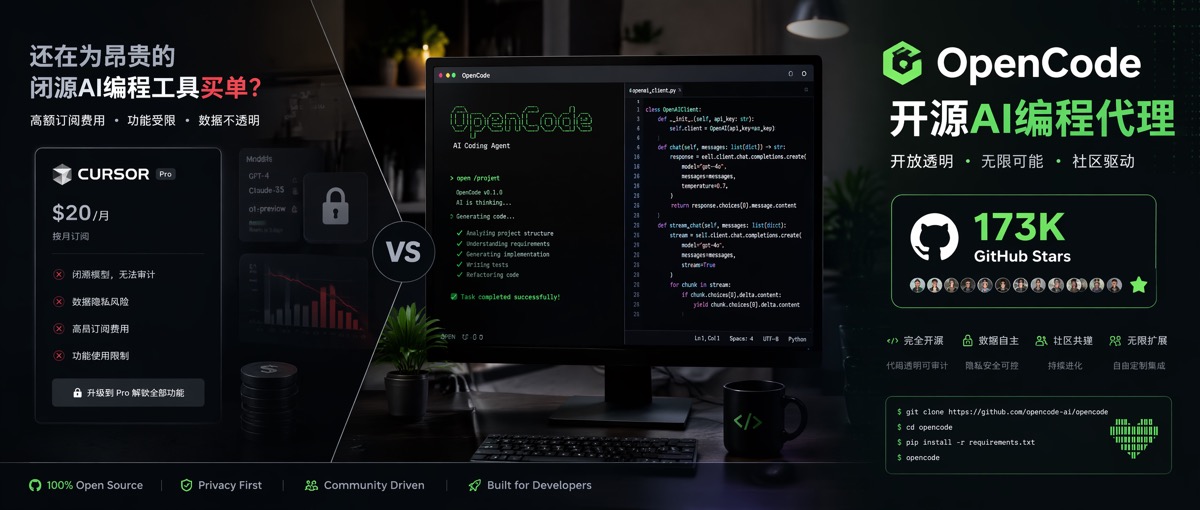
OpenCode shows a commercialization path for open-source AI developer tools: use GitHub to earn trust and distribution, monetize inference through Zen, and expand toward enterprise. Its growth illustrates why open source can be an acquisition engine rather than a business-model weakness.

Bardeen is a case study in category reinvention. It moved from no-code web automation toward an AI GTM sales engine, using web scraping, AI research, enrichment, and lead scoring to turn generic automation infrastructure into a vertical revenue tool.

Assort Health shows a vertical AI agent wedge with unusually clear ROI: automate healthcare phone intake, reduce wait times, recover abandoned appointments, and expand from inbound scheduling into outbound patient activation.

Bolt.new shows how an AI coding product can compete by owning the browser-native full-stack workflow. Its moat is not just model quality, but StackBlitz's WebContainers, token pricing, design-system integration, and developer ecosystem strategy.

Puzzle challenges a 30-year accounting software incumbent with real-time bookkeeping, a modern API-first workflow, and a channel strategy that turns accounting firms into distribution leverage.

Mintlify shows how a developer documentation product can become an AI knowledge platform by embedding AI into writing, maintenance, and consumption workflows rather than treating it as a chatbot add-on.

Stilta shows how vertical AI can outperform general models in a narrow, high-stakes workflow by rebuilding the core output of patent analysis rather than wrapping a chatbot around legal work.

Suno shows how an AI content product can compress a high-skill creative workflow, use sharing as distribution, and turn copyright conflict into strategic partnership.

Jupid shows how a small vertical AI team can hide AI inside familiar banking and messaging workflows, making accounting disappear for small-business owners instead of asking them to learn another tool.

Recraft shows how an AI design company can survive a market crowded by giants by redefining the problem from beautiful images to commercially usable, controllable brand design assets.

11x.ai reframes AI agents as hireable digital workers, changing product architecture, pricing anchors, user expectations, and GTM storytelling around roles rather than tools.

Browse AI shows how AI can remake an old, painful category by turning brittle web scraping into template-driven, no-code data monitoring that adapts when websites change.

Tavily shows how AI-agent infrastructure can turn search, extraction, crawling, and research into agent-ready APIs, compressing a messy engineering stack into one developer workflow.

Outset shows why the most valuable AI products do not merely help professionals move faster. They take over an entire workflow, from user interviews to synthesis, and turn research capacity into a scalable system.

Aaru points to a structural shift in market research: replacing slow, human-time-heavy research projects with AI agent simulations that can test hundreds of hypotheses in minutes.

Unstructured.io shows a pragmatic AI infrastructure path: solve the messy, recurring data preparation work every RAG team needs, then commercialize through open core, hosted APIs, enterprise controls, and ecosystem partnerships.

Bland AI shows how a voice AI startup can win enterprise phone workflows by compressing call-center setup into agent configuration, pairing transparent per-minute pricing with deep compliance and infrastructure.

Neuron7 shows why high-value enterprise AI often starts in narrow, high-stakes workflows where correctness matters more than autonomy and tribal knowledge becomes the core moat.

Darrow is not another story about AI replacing lawyers. It is a case of AI helping lawyers discover business opportunities they could not see before.

Synthesia's success is not primarily a model story. It is a case in scene selection: choosing enterprise training and workflow compression over Hollywood-style generative video spectacle.

Photoroom shows how a focused AI product can win by understanding ecommerce seller workflows: turn casual phone photos into sales-ready product images in seconds, then monetize at enterprise scale through APIs.

Lindy's product lesson is not only about agent capability. It shows how interaction design, human-cost-anchored pricing, and proactive behavior can make an AI assistant feel usable before it feels technically impressive.

Viz.ai shows that in regulated vertical AI, the strongest moat is not only algorithmic accuracy. It is regulatory clearance, workflow embedding, clinical evidence, and trust built over years.

CodeRabbit is one of the clearest PLG cases in AI developer tools: compress pull-request review from a manual hour-long workflow into an automated review loop embedded in the tools developers already use.

Decagon's case shows that the durable value in AI customer support is not only better conversation quality. It is giving enterprises a system to configure, monitor, test, and operate AI agents.

Hebbia shows why the most valuable financial AI products are not generic chatbots for faster individuals, but organization-level systems that make expert workflows, knowledge, permissions, citations, and repeatable methodology scale across teams.

Rillet shows how AI-native ERP can reopen a market long protected by legacy architecture: rebuild the ledger around real-time data, domain workflows, and accounting-native AI agents.

Nectar Social turns social media from a brand-cost bucket into a revenue-attribution engine by combining social listening, community automation, official platform data, and DM conversion workflows.

Evalyze turns early-stage fundraising into an AI workflow: pitch-deck analysis, investor matching, readiness scoring, content-led distribution, and a path from self-serve SaaS to high-touch services.

Spellbook shows why the strongest professional AI products often disappear into existing workflows: a Word-native legal AI that reached 4,400 legal teams and 10 million-plus contracts.

Heidi Health shows how vertical AI can break into a slow industry through a free individual product, clinician-first workflow design, and enterprise monetization around governance and compliance.

EvenUp shows how AI can create value in legal tech by focusing on a high-value, document-heavy bottleneck: personal-injury demand packages that directly affect settlement outcomes.

Vapi shows why voice AI infrastructure can be more durable than voice AI apps: API-first distribution, BYOK model routing, compliance as product, and developer-to-enterprise expansion.

Napkin AI shows how an AI product can win by removing prompts, narrowing scope, aligning pricing with inference cost, and turning user outputs into distribution.

Lovable shows how a small AI coding team can win in a crowded market by narrowing the stack, pricing around credits, and making every public app a distribution channel.

Ambience Healthcare shows why medical AI can break through by starting with documentation rather than diagnosis, building a clinical operating system, and selling quantified ROI.

Clay shows how a slow-building SaaS company can explode by creating a profession, building a community flywheel, using modular AI workflows, and monetizing usage at scale.

Gamma shows how an AI application can reach exceptional revenue per employee by choosing a painful mass workflow, minimizing time-to-value, and making every user-created asset a distribution loop.

Legora reached a reported $100 million in ARR only 18 months after crossing $1 million, while raising a $550 million Series D at a $5.6 billion valuation. Its rise shows how legal AI is shifting from standalone tools into embedded workflow infrastructure.

CodeRabbit grew from an open-source GitHub Action into a commercial AI code review platform with more than 15,000 reported customers. Its path shows how developer tools can turn workflow-native distribution into SaaS growth.

Sierra AI reportedly reached $100 million in ARR only 21 months after founding by pricing around resolved customer problems rather than seats. Its case shows how AI agents can turn SaaS from tool subscriptions into outcome-aligned operating systems.


InsightFinder is a nine-year-old AIOps company with fewer than 30 employees, Fortune 500 customers, and reported revenue growth of more than 3x in one year. Its case shows why enterprise AI infrastructure can outperform flashier consumer AI categories.
OpusClip turns long videos into short-form clips with captions, memes, and viral scores in minutes. Its growth shows how AI products win by compressing painful workflows rather than selling generic AI features.

micro1 reached a reported $50 million in annual revenue by using AI agents to rebuild the human intelligence and data-labeling supply chain. Its case shows why unsexy infrastructure can become one of the fastest commercialization paths in AI.

Triple Whale began as a Shopify data dashboard and used AI to rebuild its core value around marketing intelligence, action recommendations, and agentic execution. Its case shows how vertical SaaS can upgrade gradually instead of pretending to be AI-native from scratch.

Artisan turned outbound sales into an AI BDR named Ava, using employee positioning, credit-based pricing, and controversial marketing to enter a crowded AI sales category. Its case shows the difference between assisting a workflow and replacing a role.

Granola entered the crowded AI meeting-note market by refusing to be another transcription bot. By defining itself as an AI Notepad, it turned active note-taking, privacy, templates, and team workspaces into a differentiated product path.
No matching articles. Try another product, industry, or tag.