
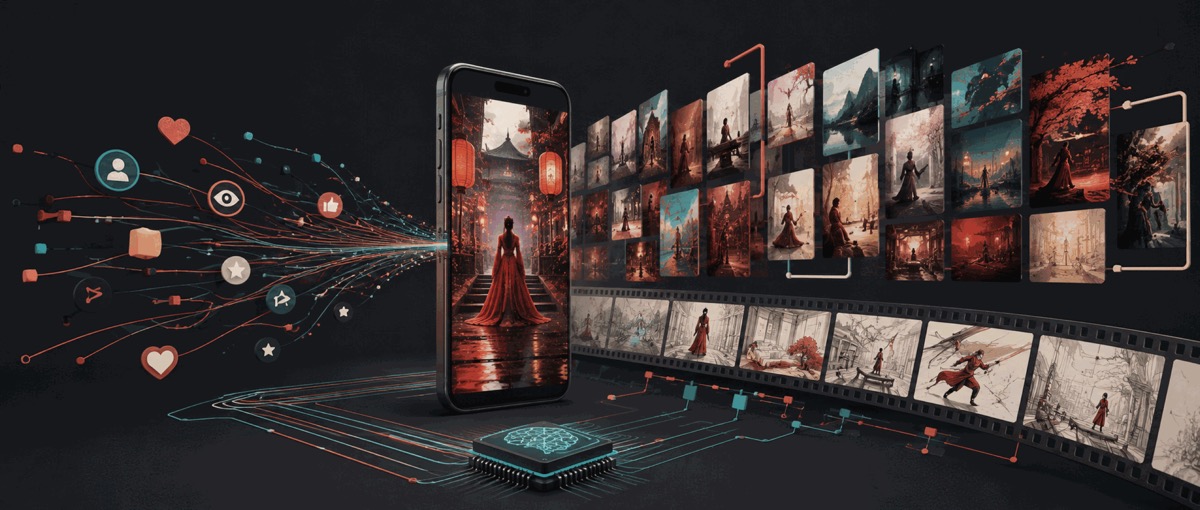
The easiest mistake in AI short-video entertainment is to assume that faster image or video generation is enough to make the content business work.
Holywater’s newer product My Muse takes a different route. The company put AI-assisted microdramas into a mobile app in 2025, but the first thing it leaned on was not the model. It was an already tested content business: let readers decide which stories deserve more investment, then move the winning material into the next format. My Muse receives stories that have already passed through that first filter. Scroll reported on the My Muse launch in 2025.

Know What Can Sell Before Generating It
Holywater did not begin with My Muse. It had already built mobile content products before moving into AI-assisted microdrama. Forbes reported that its romance reading product My Passion had reached top romance app rankings in more than a dozen countries and regions and generated $26 million in annual revenue. The company used AI to assist authors, but the decision to keep investing in a book still depended on reader behavior. Forbes reported on Holywater’s synthetic-content strategy.
That logic is plain, and that is why it matters. Before asking users to pay for a video episode, Holywater can test a story through reading behavior. The opening, character relationships, and reversals that keep readers moving through a novel become signals for what deserves a more expensive adaptation.
So My Muse does not start from “type a prompt and generate a clip.” It turns validated novels into vertical series and puts generative AI into script adaptation, shot planning, and production. To the user, the product is still a feed of serialized short dramas. To the company, AI improves supply speed while existing content data improves topic selection. Scroll’s product coverage described the app as an AI-powered short-series product.
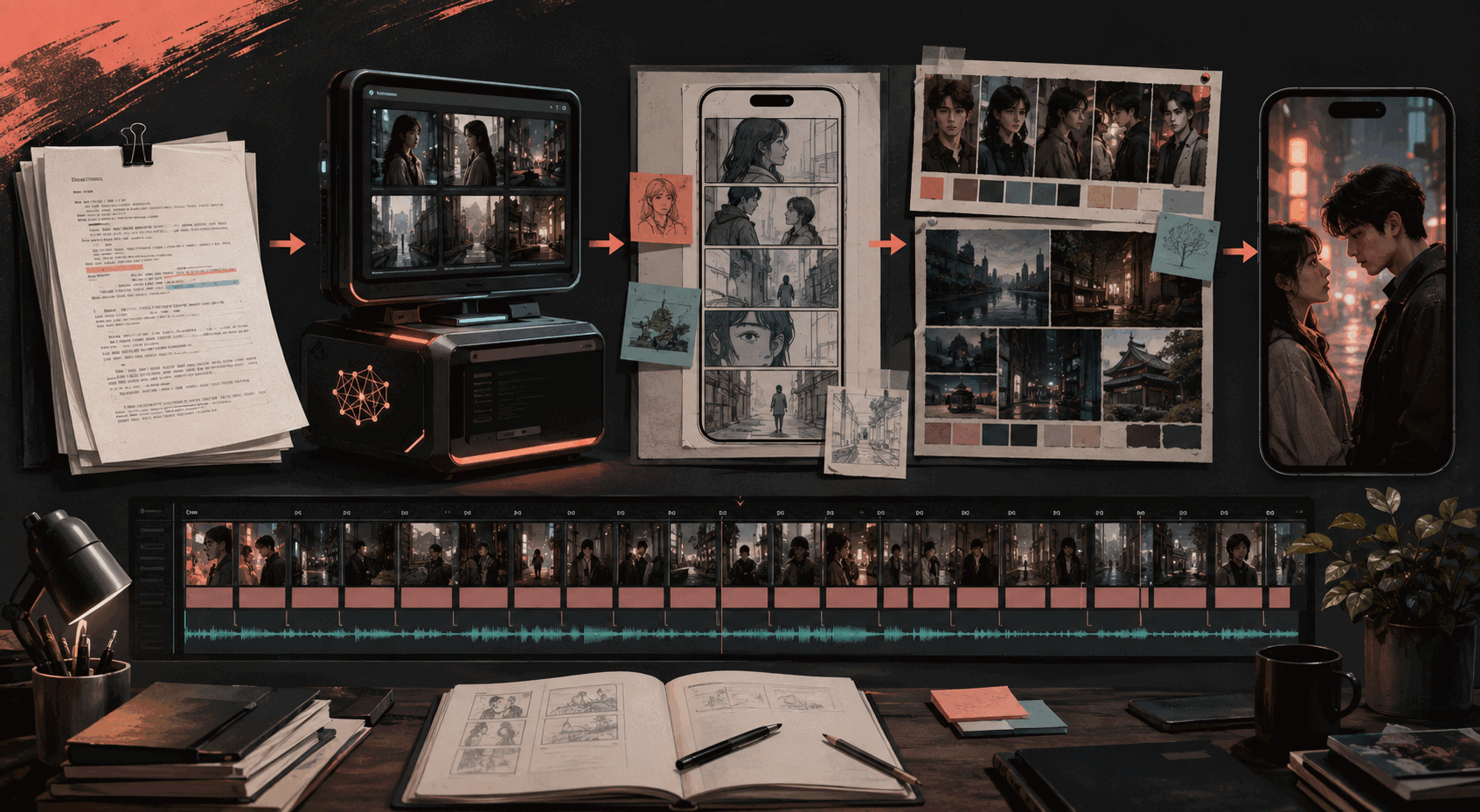
That is also why My Muse looks more like a product than a model demo. Users do not have to learn prompts, inspect raw generations, or judge whether the model is technically impressive. They open the app, watch the first episode, and decide whether to continue. The complexity sits backstage.
Paid Acquisition Is Part Of The Content System
Mobile microdrama does not grow simply because one good show exists. It has to earn a pause inside a feed, turn that pause into continued viewing, and eventually connect attention to payment.
In a RevenueCat customer case, Holywater said its content product ecosystem had grown to more than $70 million in annual revenue, up 3.5x year over year, with 80% of revenue driven by paid marketing. That figure covers a product portfolio including My Drama, My Passion, and My Muse; it should not be treated as My Muse standalone revenue. RevenueCat’s customer case provides the portfolio-level numbers.
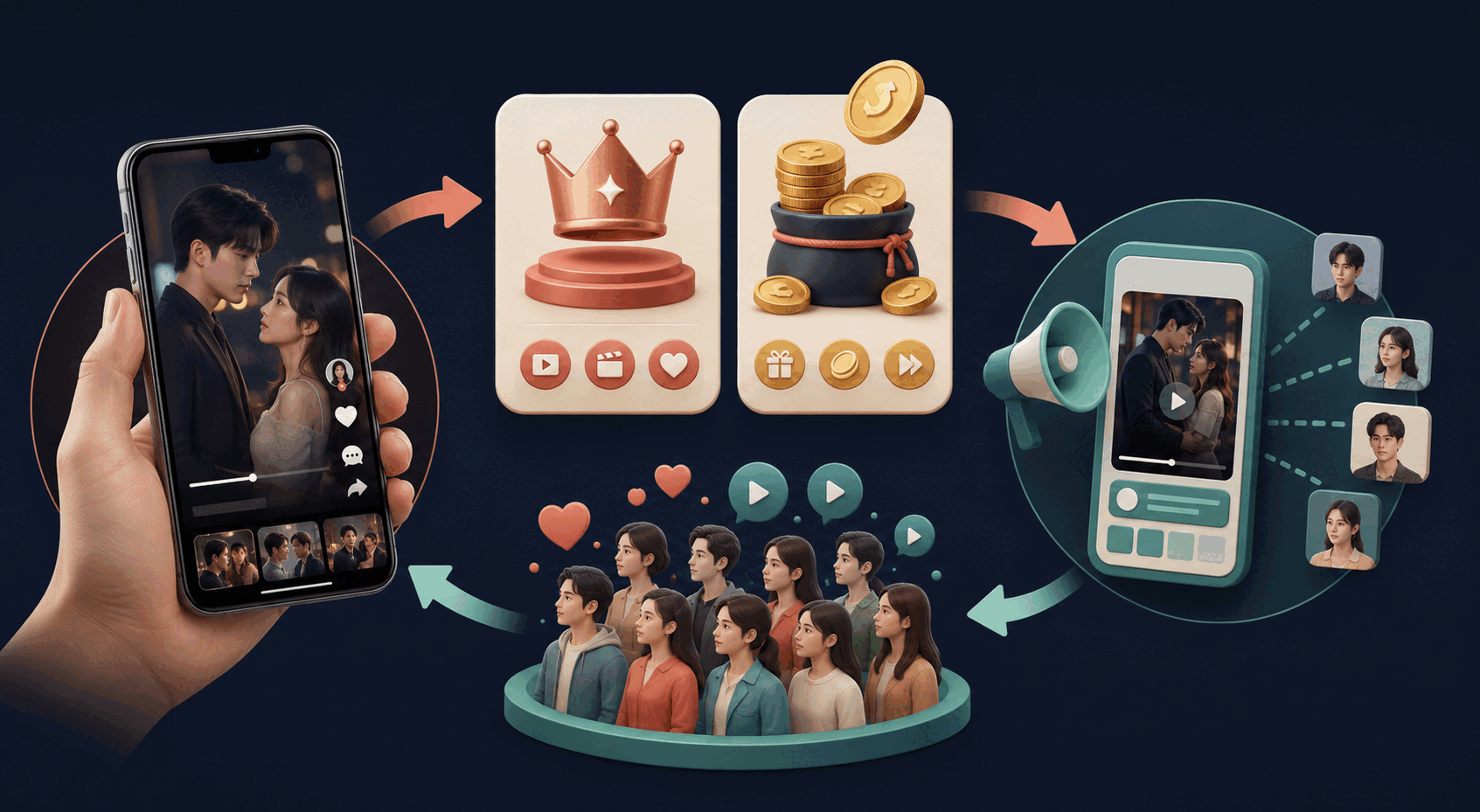
Even with that caveat, the operating lesson is clear. Holywater does not treat paid acquisition as a promotion step that happens after content is finished. It is part of the product system. Which clip can make a user stop scrolling, which hook makes someone finish an episode, and which pacing pattern supports subscriptions or in-app purchases all feed back into what the next batch of content should become.
My Muse uses subscriptions and in-app purchases on the App Store. Microdrama naturally fits that structure. The entry can be low friction, while users pay for the next episode, broader access, or a fuller viewing right. The App Store page lists subscriptions and in-app purchases.
AI Is The Capacity Lever, Not The Main Character
The most interesting question about My Muse is not whether AI video can perfectly imitate human-made drama. It is that Holywater is not asking the model to replace business judgment.
In a content business, the expensive part is often not producing one piece of video. It is repeatedly producing stories that nobody wants to watch and nobody wants to pay for. Holywater’s path reduces that risk by first validating themes and emotional patterns in novels, then sending more promising stories into microdrama production. Once AI speeds the production layer, mobile subscriptions, in-app purchases, and paid acquisition continue the feedback loop.
This chain depends on an important prerequisite: Holywater already has scaled mobile content operations. A 2026 financing announcement said Holywater’s content platforms had reached more than 85 million users and that the company raised $22 million. Those are company-disclosed figures, not independently audited operating metrics. Still, they show that My Muse is not an isolated new app. It is one more supply layer inside an existing distribution and data system. Morningstar republished the company’s financing announcement.
For consumer AI builders, My Muse does not simply answer “content can get cheaper with AI.” It asks a stricter question: before connecting a model, do you have a mechanism that tells you what is worth generating, and after generating it, do you know how attention becomes revenue?
The product lesson is almost annoyingly practical. AI can make the factory faster, but it cannot by itself decide which story should enter the factory. Holywater’s advantage is that My Muse starts downstream of reader demand and upstream of mobile monetization. The model helps make more content. The business system decides which content deserves to exist.