
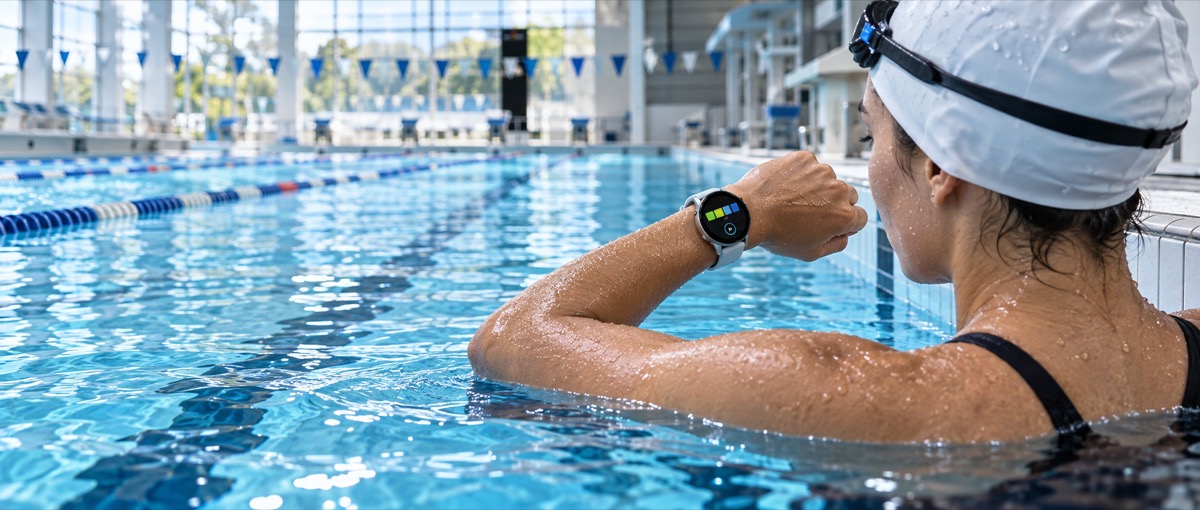
Before getting into the pool, you can ask ChatGPT to write a 2,000-meter swim session: how long to warm up, how many main sets to swim, and how much rest to take between each interval. The answer arrives in seconds.
The problem starts once the swimmer is in the water. The plan stays on the deck. The swimmer has to remember the next set, watch the clock, finish the workout, and then record the result somewhere else. By the next session, the AI does not know which interval slowed down or which pace was realistic.
MySwimPro sells that overlooked part of the job. It creates workouts from a swimmer’s pace, level, and goal, sends each set’s distance, stroke, and rest interval to a phone or watch, records the completed workout, and uses that history to adjust what comes next. The company describes the product as an AI Swim Coach.
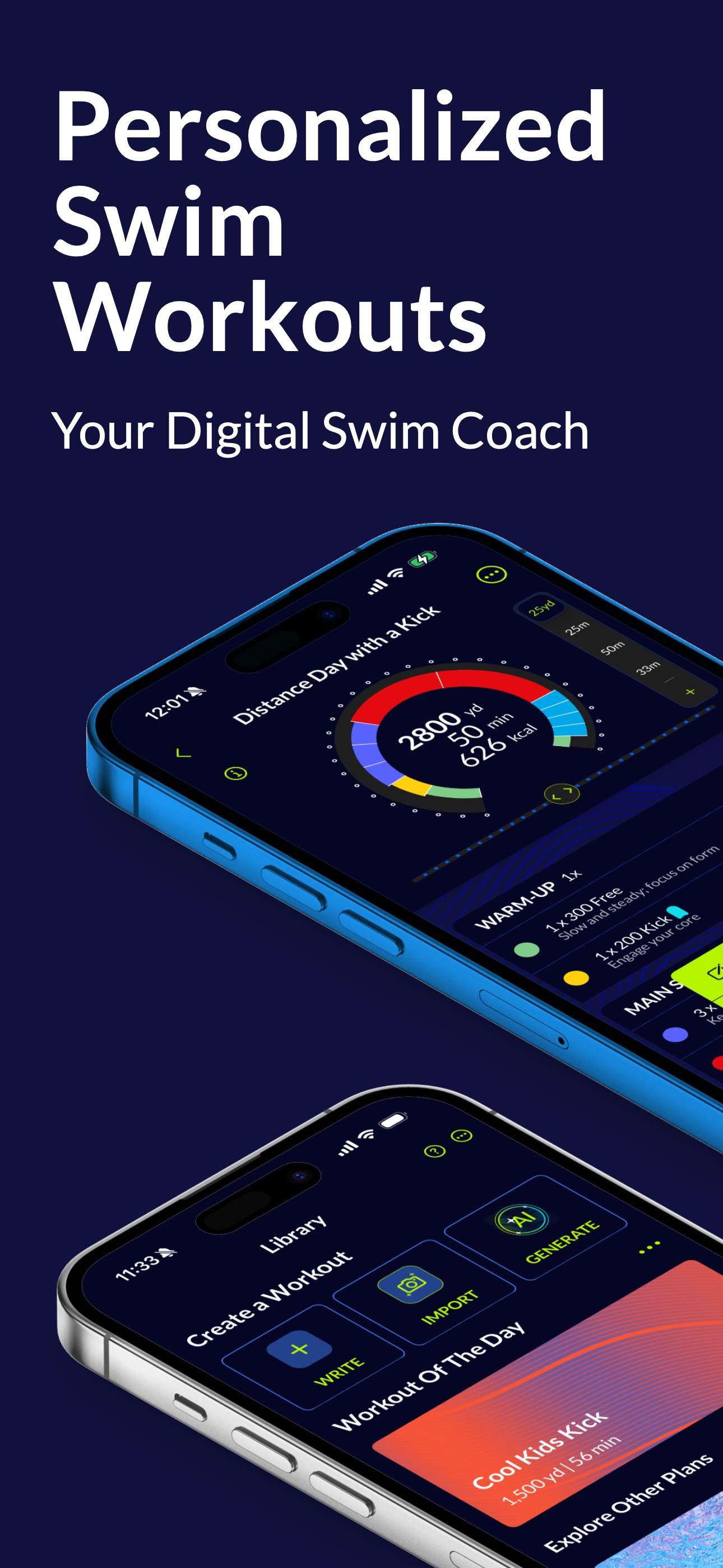
The app charges $99 per year, or $19 month to month. Its current pricing page includes a seven-day trial. When general-purpose AI feels nearly free, why can this app still ask for that subscription?
The answer is not that the workout text is prettier. It is that the workout can follow the swimmer into the pool.
A Workout Plan Is Only The First Step
Swimming is different from running. You cannot casually pick up a phone in the middle of a lane. The same 25-meter or 50-meter pool repeats over and over, and a useful session often depends on details that are easy to lose: set count, target pace, rest time, and stroke.
If the workout says “six 100-meter freestyle repeats at 1:40 pace with 20 seconds of rest,” the swimmer has to remember the repeat number, the target, and the send-off timing while tired and wet. The cognitive load is small on paper and annoying in practice.
MySwimPro breaks that plan into executable instructions. A user selects distance, goal, and available time. The system generates a workout. Once the session starts, Apple Watch, Garmin, or the phone can show what the current set is, how much distance is left, and when to go again. The product page lists those device-sync capabilities.
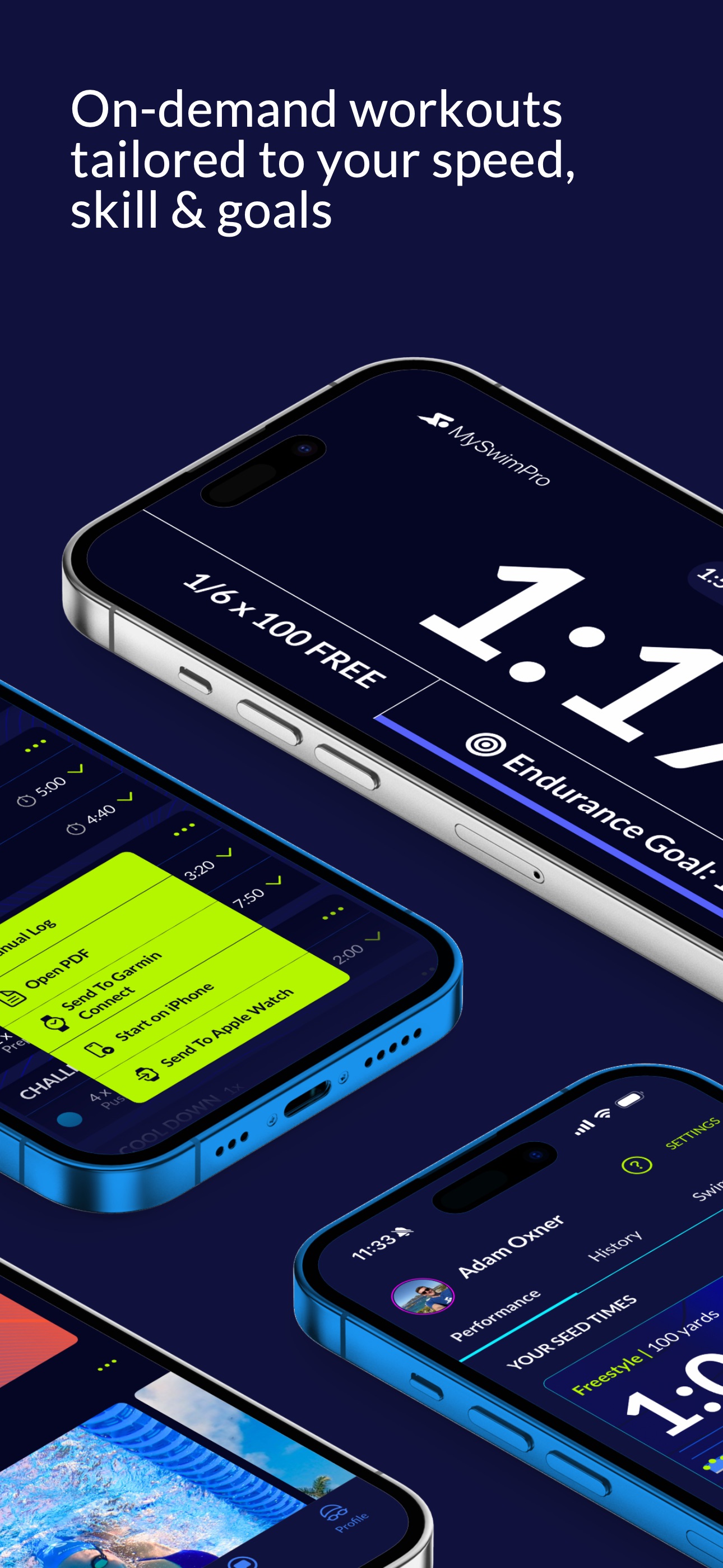
That step is what keeps the product from being only a “swimming chatbot.” A chatbot gives advice. MySwimPro also owns execution: where the swimmer is in the workout, how fast the swimmer actually went, and whether the plan was completed.
For product builders, the boundary is simple. Generated content keeps getting cheaper. Putting that content into a specific physical situation, with the right interface, device support, and data structure, can still be valuable.
AI Became Part Of The Existing Subscription
MySwimPro was not created by the current AI wave. It was registered in 2015 and launched on iOS the same year, according to its public company disclosure on Wefunder. The Wefunder page records the company’s registration timing.
The company did not turn AI workouts into a separate premium tier. In December 2025, it announced that AI-generated workouts were available across iOS, Android, and the web for all Coach subscribers. The official update said the feature was available to all Coach subscribers.
That is a meaningful commercial choice. AI is not being sold as a second product. It strengthens the original reason to pay the annual fee. Users were already paying for training plans, workout logging, and coaching structure. The same subscription now also includes the ability to create a workout whenever the swimmer needs one.
The packaging also keeps the buyer’s decision clear. A swimmer does not need to compare a “plan tier” against an “AI tier.” The question is whether $99 per year is worth ongoing training structure that can move from planning into execution.
That matters because the output of a model is not the whole customer problem. The swimmer is not only buying text. The swimmer is buying fewer decisions before the workout, fewer mistakes during the workout, and a record that makes the next workout easier to choose.
The Hardest Part To Replace Is On The Wrist
The most persuasive MySwimPro interface is not a chat box. It is the watch.
Once a workout starts, Apple Watch can show the current session, total distance, and each set’s target. The swimmer does not have to dry a hand, unlock a phone, and find the plan again. After a set is done, the result becomes part of the training history. Future workouts can refer back to that data instead of starting from a blank prompt.
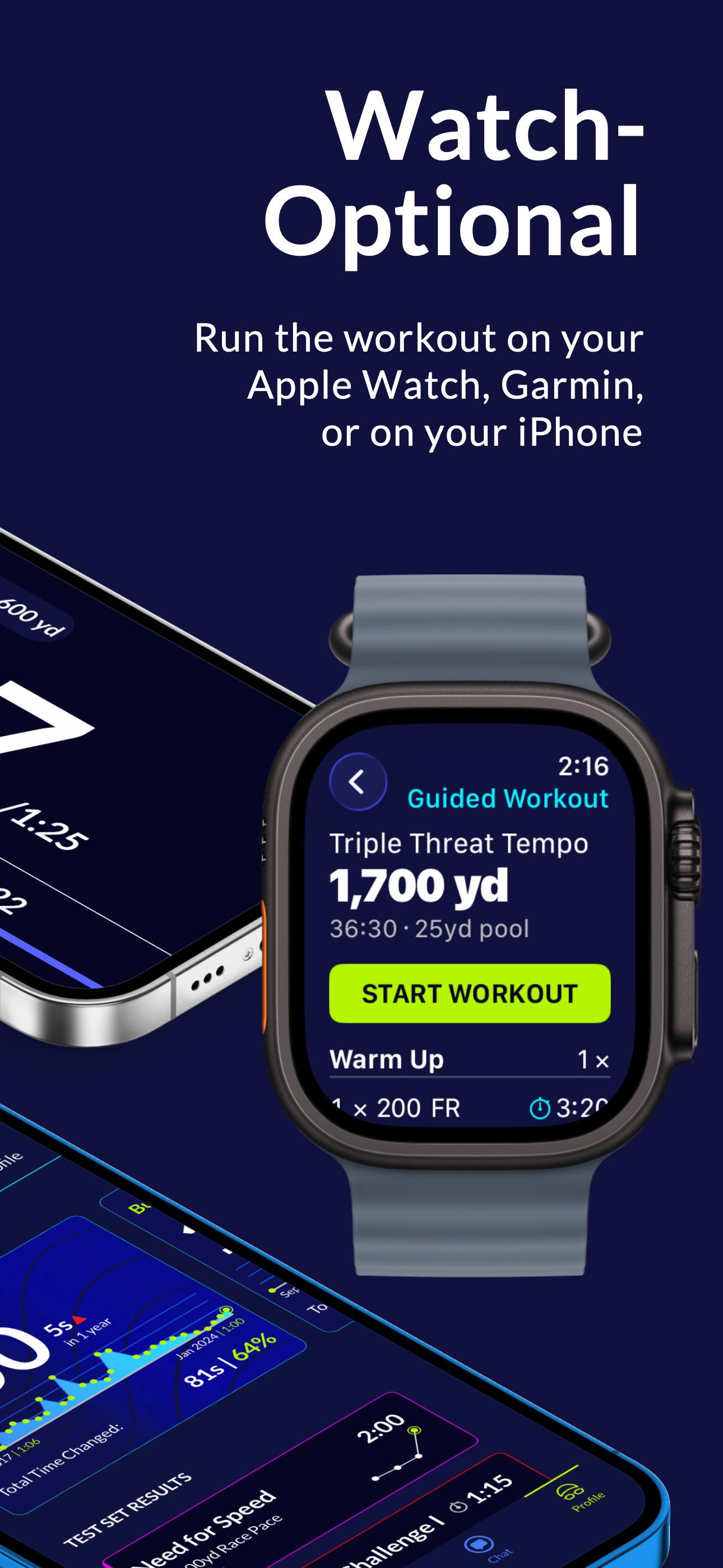
That is MySwimPro’s practical defense against general-purpose AI. It owns the device where the training happens and the data that remains after the session. Another tool can produce a similar-looking workout, but without watch execution, pool timing, and history, the user still has to do the awkward middle work.
The defense is not perfect. Reddit discussions include users who say the subscription feels expensive, users who mention occasional sync problems, and beginners who feel AI workouts are not yet personalized enough. One high-frequency user also mentioned sync issues while describing months of use. A single comment cannot represent the entire customer base, but it points to a real product risk.
When a vertical app claims value through an execution loop, device reliability and data quality stop being secondary features. They become part of the reason to renew. If the workout does not appear correctly on the watch, or if history does not sync, the user is pushed back toward manual work. The moat and the liability are the same workflow.
A Profitable Year Was Not An AI-Growth Story
The subscription business already has observable numbers.
In financial data disclosed on Wefunder, MySwimPro reported $2.155 million in 2025 revenue, $207,545 in net profit, and a 78% gross margin. It reported $2.592 million in 2024 revenue and a loss for that year. Those figures come from company-submitted Wefunder disclosure materials, not audited third-party financial statements.
This is not a clean story of “AI launched and revenue exploded.” Revenue declined by roughly 16% year over year in 2025. AI workouts were also opened to all subscribers only in December 2025, so it would be wrong to credit the full-year profit to AI.
The more precise read is that MySwimPro preserved a profitable vertical subscription product during a difficult growth year, then added AI inside the existing workflow to help keep the annual fee defensible. The US App Store currently shows roughly 5,900 ratings and a rating around 4.5. The company says on its product page that it has served more than 2.5 million swimmers; that is a company claim, not an independently audited metric. The App Store listing can be used to check ratings and device support.
For AI product teams, the useful lesson is not “build an AI fitness coach.” The better question is: once a model can give the answer, what still has to happen before the user can actually complete the job?
For MySwimPro, those steps live in the pool: remember the plan, manage intervals, log results, and choose the next session. The company connects those actions, which gives it a reason to charge even when the first draft of the workout is easy to generate.
The model writes the plan. The product helps the swimmer finish it.